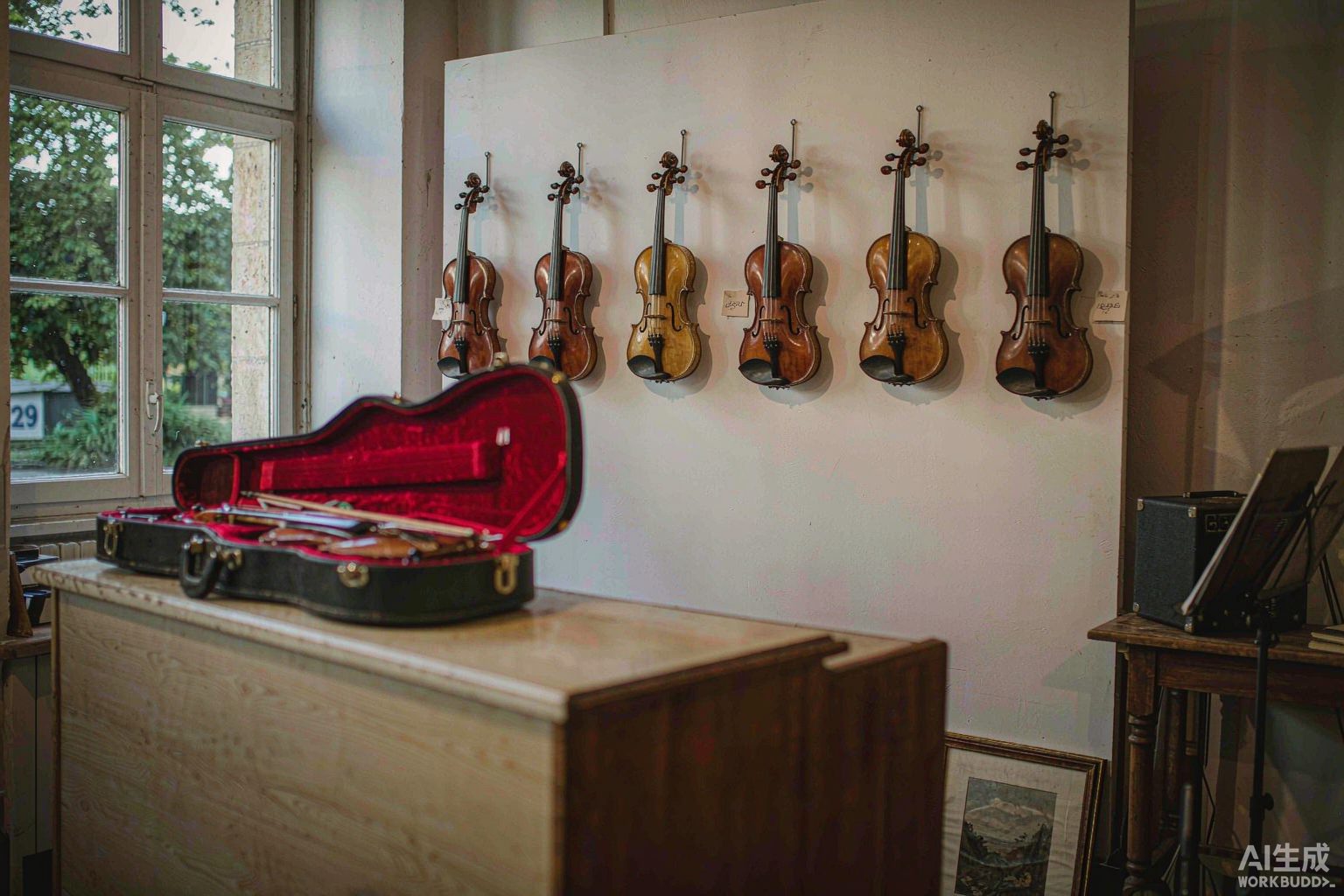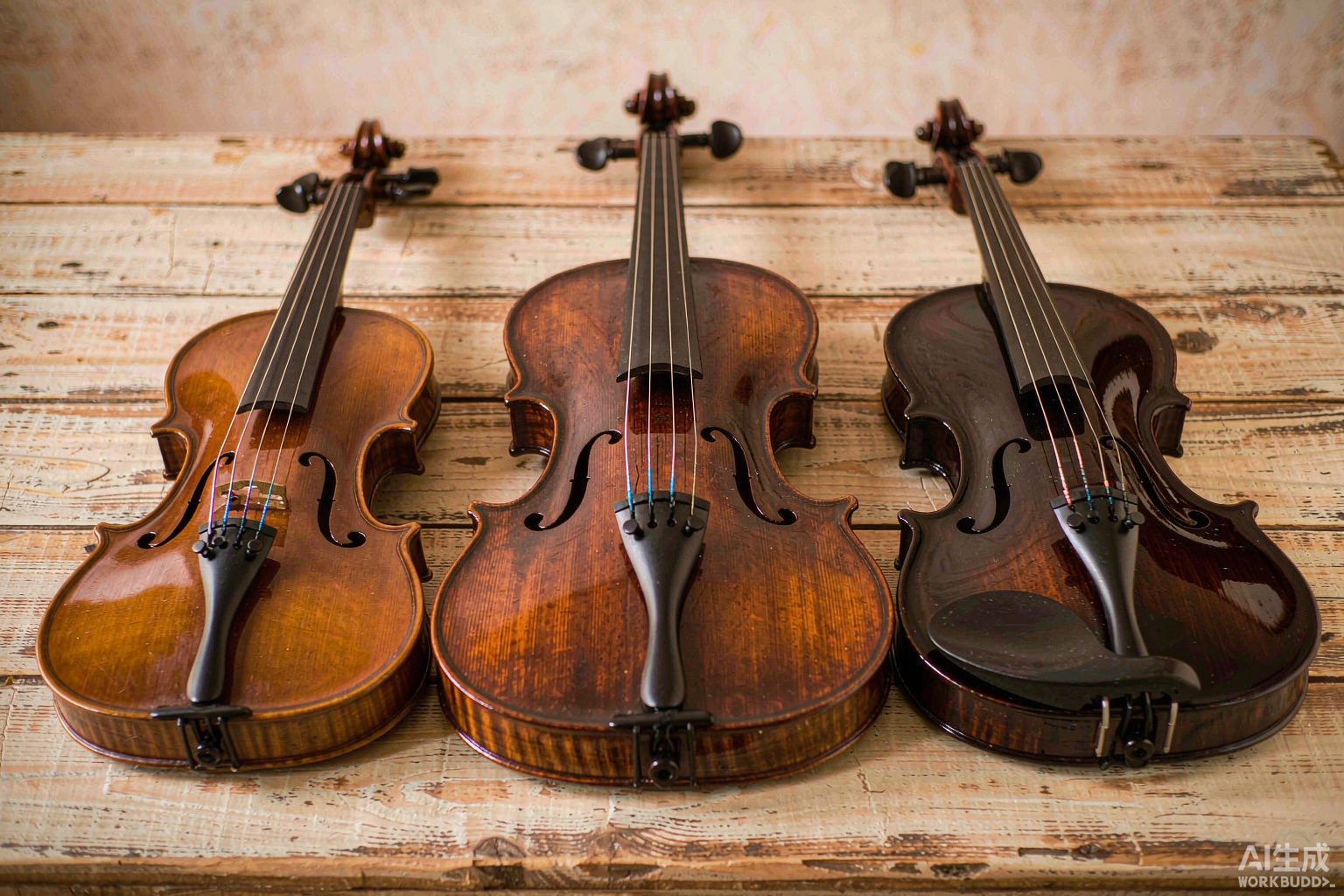
We bought twelve student violins — between $150 and $900 — and lived with them for three months: tuning them daily, recording them in the same room with the same microphones, and handing them to students aged 8 to 45. Most of them are fine. A few of them are quietly excellent. Two of them we would tell you to avoid outright.
Here is what matters, what does not, and the five instruments we would actually spend our own money on in 2026.
Our picks at a glance
| Pick | Instrument | Street price | Best for |
|---|---|---|---|
| Best overall | Eastman VL80 Studio | ~$580 | Serious beginners who plan to continue |
| Best under $300 | Cremona SV-500 Premier | ~$270 | Kids and cautious first-timers |
| Best budget outfit | Cecilio CVN-320L | ~$160 | Trial runs and rental substitutes |
| Best step-up | Scott Cao STV-500 | ~$890 | Players passing Grade 4–5 exams |
| Best for adults | Bunnel Pupil Clearance | ~$330 | Adult learners who hate squeaky tone |
Eastman VL80 Studio: the best overall
The VL80 kept winning our blind listening sessions. It is not that any single aspect is spectacular — it is that nothing is bad. The action is comfortable from the first scale, the flamed maple back is genuinely handsome, and the tone has a core that cheaper instruments fake with thick varnish. The factory setup needed a light bridge re-fit, which is typical and costs little at any shop.
Consistency where cheap violins fail
Pegs turn smoothly, seams hold under humidity swings, and the sound stays even across all four strings. For a student, that reliability is worth more than one beautiful note on the G string.
Cremona SV-500: best under $300
Cremona's Premier line is what we recommend to parents who are not yet sure their child will stick with it but refuse to buy something unplayable. The SV-500 ships with Prelude strings, a real maple bridge, and setup QC that caught fewer duds than any other brand in our batch.
Cecilio CVN-320L: the honest budget pick
At $160, expectations should be calibrated: the CVN-320L plays in tune, holds together, and sounds like a school instrument — because that is exactly what it is. Buy it if the alternative is not starting at all. Upgrade the strings within a month; the stock set is the weakest part of the outfit.
What to check no matter which you buy
- String height at the E string end of the bridge. If it is above about 3.5 mm, it will fight you every scale.
- Peg action. Pegs should turn with two fingers and hold tune overnight. Slipping pegs on a new violin are a setup problem, not a dealbreaker.
- Real purfling. Run a fingernail along the black border near the edge. Painted purfling is a marker of the cheapest tier.
- No painted-on shine. Thick glossy paint usually hides plywood. Solid tonewoods look like wood, not laminate flooring.
The ones we would skip
Two instruments in our test batch were worse than their price suggested: one no-name marketplace "handcrafted" violin whose bridge had been glued to the top plate, and one heavily lacquered outfit that weighed noticeably more than its case. If a listing leads with sparkle paint and a bundled 50-piece accessory kit, walk away.
A $300 violin with a good setup beats a $600 violin with a bad one. Setup is not a luxury; it is half the instrument.
Bottom line
If you can spend $550–600, the Eastman VL80 is the safe, satisfying choice that will not need replacing until you are genuinely good. If you need to stay under $300, the Cremona SV-500 is the most trustworthy instrument in that bracket. Either way, budget $40–80 for a shop setup check — it is the best money you will spend this year.