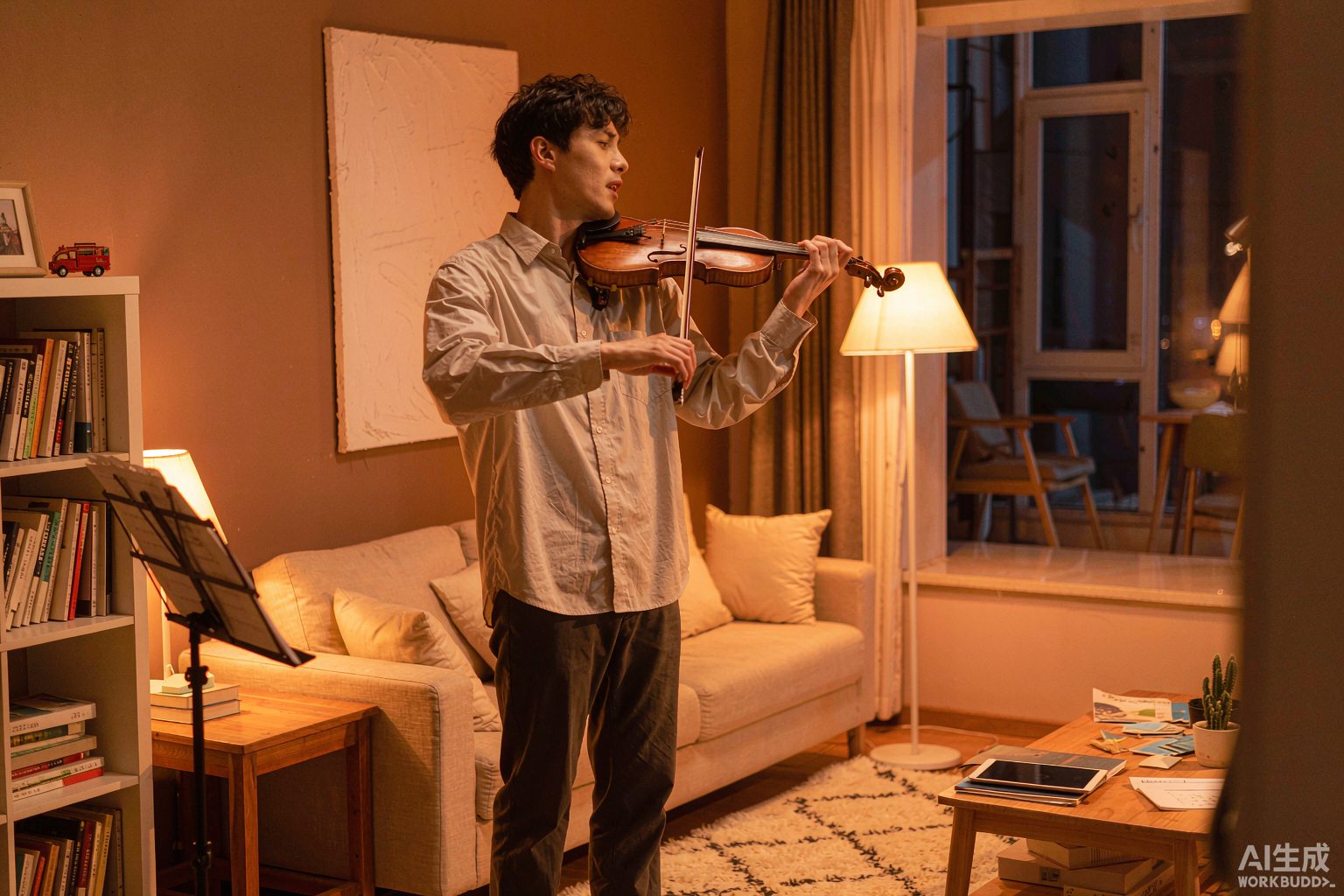
Adults learn violin. Not as fast as children, not with the same advantages — but they do, in meaningful numbers, every year. The difference between the adults who make it and the ones whose violins become closet decorations is rarely talent. It is expectations, structure, and physical honesty. This is the roadmap.
The honest timeline
| Milestone | With lessons + 30 min/day | Self-taught, sporadic |
|---|---|---|
| First clean scale | 2–4 months | 6–12 months |
| Simple folk tunes, in tune | 8–14 months | Year 2+ (often never) |
| Comfortable third position | Year 2 | Rare without guidance |
| Playing for enjoyment, reliably | Year 1–2 | Depends entirely on method |
The pattern is blunt: adult progress is gated by consistency, not by hours. Twenty minutes daily beats two hours on Sunday, every time.
What adults have going for them (and against)
- For: you understand structure, can read, can practice deliberately, and you chose this — nobody is dragging you to lessons.
- Against: your finger joints are less flexible, your tolerance for sounding bad is lower, and your calendar is a battlefield. All three are manageable; pretending they do not exist is not.
The first-year practice template
Thirty minutes, every day, split like this:
- 5 min: open strings with the metronome. Tone before notes, always.
- 10 min: scales and finger patterns, slow, with drone or tuner.
- 10 min: current piece, hands separately if needed.
- 5 min: something fun. Yes, badly. It keeps you coming back.
The injury conversation nobody starts early enough
Adult violin injuries come from three things: a bad shoulder rest, too much pressure in the left hand, and skipping rest days. If your neck, jaw, or left wrist hurts for more than a day after playing, fix the setup before fixing your technique. Read our shoulder rest guide — it solves more adult pain than any exercise program.
Get a teacher. Really.
Self-teaching violin is possible and slow. Bad habits compound silently for months, and un-learning them costs more time than lessons ever cost. One lesson a month with a good teacher is the cheapest accelerator available. If lessons are truly impossible, film yourself weekly from the front and side — the camera does not flatter, which is the point.
Thirty minutes daily, one lesson a month, zero pain tolerated
Do that for two years and you will be the adult at the session who "just picked it up a couple years ago" — the phrase that hides a thousand quiet mornings of scales.