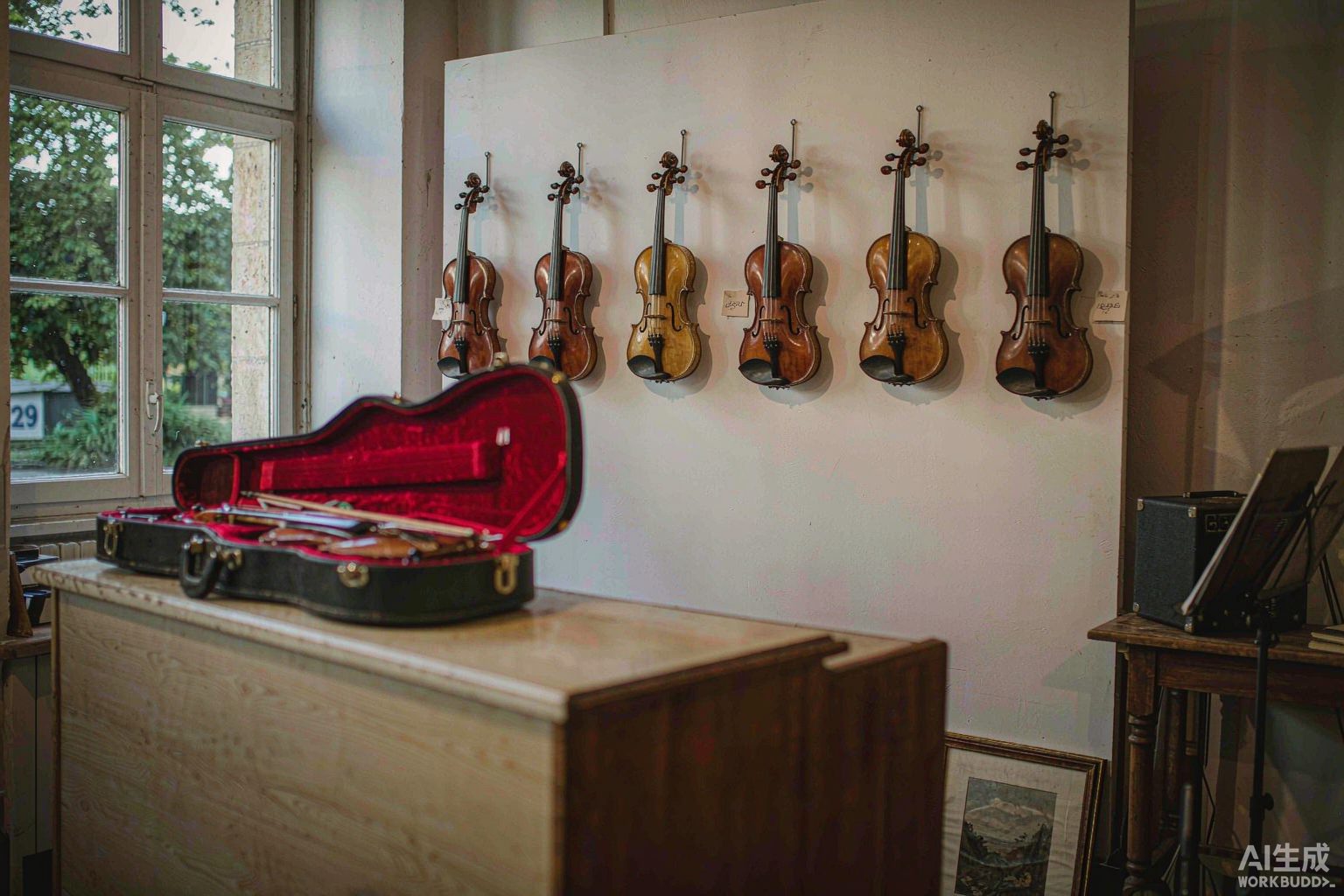
"How much should I spend?" is the first question every buyer asks and the hardest to answer honestly. Price does not map linearly to quality in the violin world — it maps in steps, with plateaus. Here is the map as of 2026, based on the instruments we have handled and priced this year.
The five price tiers
| Tier | Range | What you actually get |
|---|---|---|
| Factory outfit | $120–350 | Plywood or low-grade solid spruce, decent machine setup, case and bow included. Sounds like a school room. |
| Entry workshop | $350–900 | Solid tonewoods, oil or spirit varnish, consistent setup. Enough instrument to pass Grade 5. |
| Serious workshop | $900–3,000 | Hand-varnished, hand-graduated plates, character in the sound. The last tier most students ever need. |
| Maker / fine workshop | $3,000–10,000 | Soloist-capable tone, individual character, investment value that holds. |
| Fine & antique | $10,000+ | Named makers, provenance, and a market of their own. Buying here is patronage, not shopping. |
Where the diminishing returns start
Based on our blind listening panels, the biggest audible jump most players will ever experience is between the factory tier and the entry workshop tier — that $350–900 window. Above $3,000, improvements become subtler and increasingly depend on the player's bow arm to reveal them.
Between $500 and $1,500 you are buying the instrument. Above $3,000 you are buying the instrument plus a name plus an appreciating asset. Only pay for the second part knowingly.
The hidden costs nobody mentions
- Setup: $50–120 for a proper shop setup — worth it on every instrument under $1,000.
- Strings: $40–90 per set, every 4–6 months.
- Bow: often forgotten. A $90 bow cripples a $900 violin. Budget roughly a third of the instrument cost.
- Insurance: above $1,000, add it to your home policy or a specialist insurer — usually $20–60 a year.
Used vs new
Violins do not depreciate like cars; a well-kept workshop instrument from 1990 can outplay a new one at the same price. Buy used from a reputable shop with a trial period, never from a marketplace listing without playing it first. Old does not automatically mean good — it means it survived, which is different.
Spend $500–700 total, and put $100 of it into setup and strings
That is the sweet spot where money turns most directly into a better sounding, easier playing instrument in 2026.