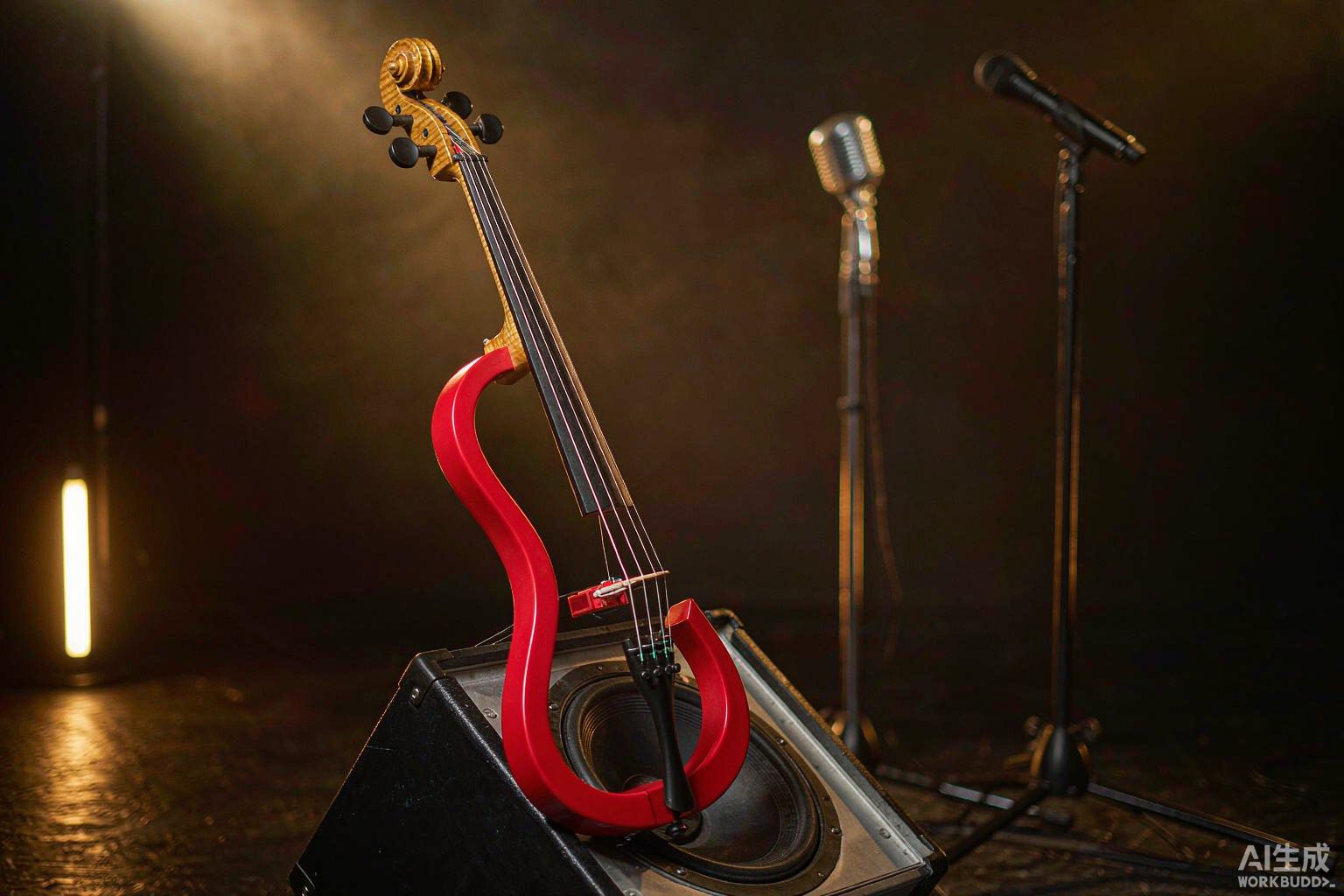
Electric violins promise two things: silent practice and stage presence. They deliver both — with a few caveats that show up only after purchase. This guide covers what you need to know before plugging in, and the models we consider worth the money in 2026.
Solid body vs acoustic-electric
Solid-body electric violins (Yamaha SV series, Cecilio CE, Aliexpress no-names) have no resonant box. Unplugged they are whisper-quiet — ideal for apartments. The tone comes entirely from the pickup, which means it can be shaped with effects but never quite loses a certain directness.
Acoustic-electric violins are real violins with a bridge pickup. They sound and feel acoustic first, electric second — the right choice if you play acoustic 80% of the time and occasionally need amplification.
What to check before buying
- Weight and balance. Solid bodies run 450–700 g versus ~450 g for acoustic. Over 600 g, two-hour rehearsals get heavy.
- Output placement. A jack that hits your bow arm is a design flaw you will meet every day.
- Headphone practice quality. Test with the cheapest amp sim you can find. Great pickups make even a $60 interface sound fine.
- String scale and feel. A good electric should play like a violin. If the fingerboard radius feels off, it is — walk away.
Our 2026 picks
| Model | Price | Why |
|---|---|---|
| Yamaha SV-200 | ~$450 | The reliable default: comfortable, honest tone, bulletproof build. |
| Cecilio CEVN-2 | ~$180 | Best budget entry for silent practice; upgrade strings immediately. |
| NS Design WAV4 | ~$650 | Best ergonomics and the most "grown-up" amplified tone. |
What an electric violin cannot do
It will not teach you to play. Tone production — bow speed, pressure, contact point — is learned on an acoustic instrument where the box gives feedback. Our standard advice: learn on acoustic for at least the first year, then add electric as a second instrument, not a replacement.
Silent practice: Cecilio. Stage playing: Yamaha or NS Design
And if you are tempted by $90 marketplace electrics: they are silent, all right — mostly because they are unplayable.